
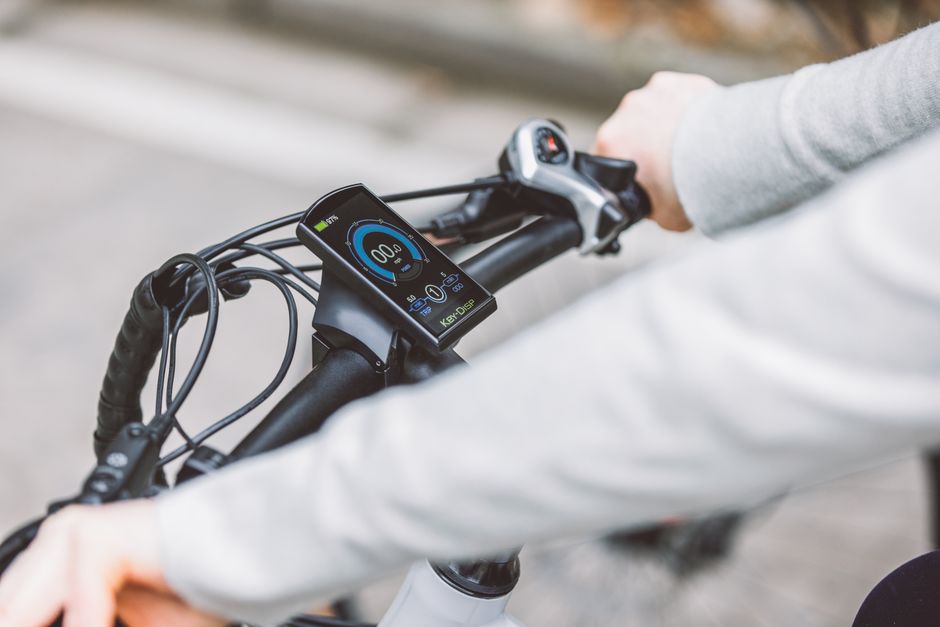
Buying an e-bike can remove the physical barrier to riding, but it cannot create the habit for you. A small first-ride quest, followed by a fresh post-ride photo, turns good intentions into evidence-weighted progress you can build on.
At 6:40 on a damp Saturday morning, Maya stood beside her unopened helmet in a Manchester flat, watching rain bead against the kitchen window. Her new e-bike had arrived four days earlier. She had researched motors, battery range, frame size, and riding style for weeks, yet the bike had traveled only from the delivery van to the hallway.
She had promised herself she would ride before meeting friends that afternoon. If she skipped this morning, another busy week could turn the expensive bike into hallway furniture.
The rain kept falling. Maya reached for her phone.
Make the first ride too clear to negotiate
“Ride more” sounds like a goal, but it leaves every important decision open. How far? When? What counts? Can you postpone it because the weather looks miserable?
Maya created a LifeQuest goal around riding regularly, then added one Body quest: ride the e-bike around the neighborhood and return home. No ambitious distance. No training plan. Her first task was to cross the line between owning the bike and using it.
That narrower promise reduced the effort required to begin. She knew which jacket to grab, where the ride would start, and what completion would look like. Ten minutes later, she was fastening her helmet under the building’s awning.
Your first quest should work the same way. Choose an action you can recognize when it is finished:
- Ride to a familiar landmark and back.
- Complete one loop around your neighborhood.
- Take a short ride before breakfast.
- Practice starting, stopping, and turning in a quiet place.
Pick a route and conditions appropriate for your ability, bike, local rules, and weather. The quest should help you begin safely, without pushing you to manufacture an impressive result.
Give the ride a finish line with fresh evidence
Maya returned with wet cuffs, cold fingers, and a stripe of road spray across the back of her jacket. The ride had been short. It still mattered because she had finally done the thing the purchase was supposed to support.
From the LifeQuest Android app, she opened her quest and used the in-app camera to take a fresh photo of herself beside the bike after the ride. LifeQuest sent the image for an AI plausibility review. When accepted, the photo awarded full XP.
The photo provides evidence that appears suitable for the quest. It does not prove the route, distance, speed, or every moment of the ride, and AI review is not fraud-proof. That honest boundary matters. Evidence should strengthen a claim without pretending to establish facts the image cannot show.
If a useful photo is impractical, LifeQuest still allows honest self-report for half XP. A rejected photo also does not consume monthly review usage. The free plan includes 10 accepted AI photo reviews each month, enough to attach fresh evidence to selected moments without photographing every routine action.
For another way to think about evidence and honest claims, see The Half XP an Honest Claim Earns, and What Full Credit Requires.
Let progression reward repetition
The most useful part came the next morning. Maya’s bike was no longer an untouched purchase, and her next ride no longer felt like a grand opening. She created another modest quest, this time for an after-class loop later in the week.
Completing suitable quests can add XP, maintain streaks, grow skill trees, and move your Body domain through LifeQuest’s E-to-S rank ladder. Those systems make repeated effort visible. They work best when the quest reflects something you genuinely want to do, rather than an obligation invented to protect a streak.
This is where the e-bike purchase begins earning its place in your life. Reviews and “best of” lists can help you choose a model by category, budget, or riding style. Habit forms later, through ordinary decisions: charge the battery, put on the helmet, open the door, ride, record what happened.
Keep the first few quests small enough to repeat. Once riding feels familiar, increase the challenge with a longer route, a hill, or a practical destination. Change one variable at a time so progress remains visible and the next quest stays believable.
Create the quest before the bike becomes furniture
Maya’s bike was still speckled with rain when she leaned it against the hallway wall again. This time, her helmet sat on the handlebars instead of inside its box. Her next quest was already waiting.
Before your first ride, write one sentence that defines the finish. Choose photo proof only when a fresh image can plausibly support what you completed. Then take the shortest safe ride that turns “I bought an e-bike” into “I ride my e-bike.”
Comments
No comments yet.